Welcome to EPCOR Our site is customized by location. Please select the region of your service and we’ll remember your selection for next time.
Select location

Our site is customized by location. Please select the region of your service and we’ll remember your selection for next time.

Change a country
Country Flag Canada
Country Flag United States

Select a region for customized content and rates

Mouse hover over any region to see the map here
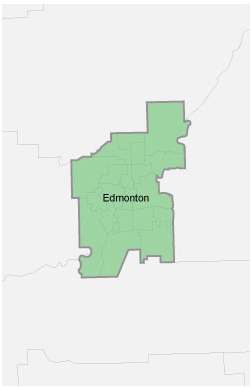
Edmonton
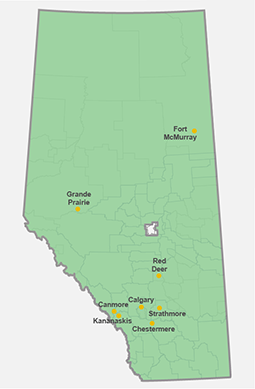
All Alberta locations except Edmonton
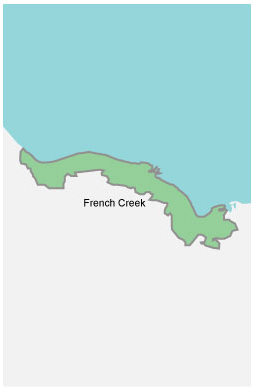
French Creek
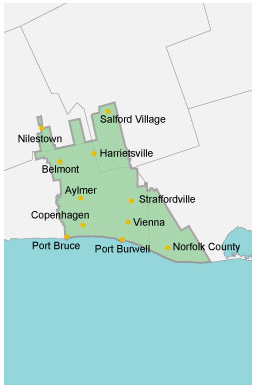
Aylmer and area
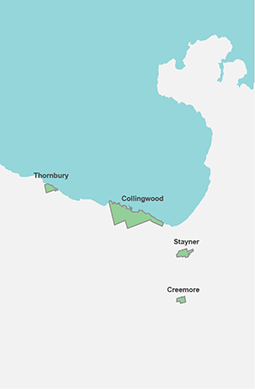
Collingwood and area
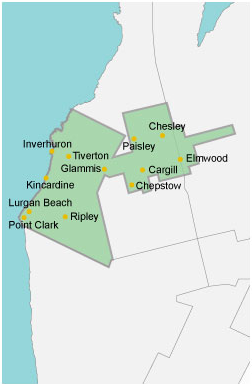
Kincardine and area
Select a state

Looks like you're in Canada

Looks like you're in the United States

Change country
Country Flag Canada
Country Flag United States

Select a region for customized content and rates

Mouse hover over any region to see the map here
Edmonton
All Alberta locations except Edmonton
French Creek
Aylmer and area
Collingwood and area
Kincardine and area

Select a region for customized content and rates

Select a region for customized content and rates

Choose your location
To view this page, set your location to:
Country Flag Country Flag
This page doesn’t match your location
To view this page, you must change your location to:
Country Flag Country Flag
Choose your location
To view this page, you must set your location to:
Country Flag Country Flag

RainWise rebate program

Apply for a stormwater rebate through the RainWise Rebate Program for projects that can help reduce the risk of your property flooding during a major rainstorm event.
Rainwise logo
On this page

Program overview

The RainWise Rebate Program is a three-year pilot program that makes it easier and more affordable for Edmonton residents to protect their properties from flooding and reduce flood risk in the community through effective stormwater management.

If you are a property owner or renter in Edmonton, you are eligible for rebates from EPCOR on projects that help manage stormwater on your property.

Rebates are available for projects that help to:

  • Reduce the quantity of stormwater entering the collection system.
  • Improve the quality of stormwater released into the collection system.
  • Prevent overland runoff and sewage from entering homes and businesses.
A beautifully maintained blue bungalow featuring mature landscaping, vibrant greenery, and a welcoming front entrance. This residential home exterior showcases a peaceful yard with shrubs, ornamental grasses, and a sunny, well‑kept lawn.

Program eligibility

To be eligible for the RainWise Rebate program, you must be located within Edmonton and fit into one of the following customer classifications.

If you are unsure what customer type you are, visit our RainWise application guidelines page.


Single-family residential


Multi-family residential


Industrial, commercial, or institutional

  • Eligibility and project requirements vary by project. See the RainWise project pages or talk to your landscaper for details.
  • Stormwater management installations required for property development or compliance do not qualify.
  • Rebates are not retroactive. You must have an approved application before starting work.

How to apply

Follow these three simple steps to get your rebate

Step 1: Get approved

Before you move forward with any work, make sure your project is approved through the RainWise Rebate program.

  • The RainWise rebate program is not retroactive. Projects completed before the application is approved are not eligible for the rebates. 
  • Make sure your project meets our rebate requirements by reading through the specific project details page. 
  • Submit your application form and view guidelines for filling it out.
  • After you submit your application, it may take up to 10 business days to hear if your project has been approved.

Step 2: Complete your project

  • Complete your project by yourself or hire a contractor (EPCOR reserves the right to require professional design/construction when projects are considered to be advanced. Examples include rain barrel/storage tank below or above grade (≥ 2.0 m) or modular underground storage for MF and ICI applications).
  • Keep all receipts.
  • Complete your project within one (1) year of the application approval date to remain eligible for the rebate.

Step 3: Submit for reimbursement

  • Ensure you have all necessary photos and documentation (e.g. receipts) so your claim can be processed efficiently and accurately.
  • After you submit your claim form, it may take up to 10 business days to hear if your claim has been approved. View guidelines for filling out your form.
  • Reimbursement for your project(s) will be provided within 6-8 weeks after your claim has been approved.
  • EPCOR reserves the right to request project-related receipts for all project types to verify project completion and ensure program compliance. 

Rebate amounts

Rebates are issued to an applicant once a RainWise project is completed and approved. There is limited program funding each year and approvals are awarded on a first-come, first-serve basis.

Project type

Rebate amounts vary based on the type of project completed.

home_and_garden

Downspout disconnections
Up to $100 per downspout, based on receipts for eligible expenses

oil_barrel

Rain barrels
$0.25 per liter of stormwater storage, based on receipts for eligible expenses

grass

Low Impact Development (LID) projects
$11 per m² of directly connected impervious (hard surface) area

Customer type

Maximum rebate amounts depend on the customer type.

Single-family residential

$2,000per property

Multi-family residential

$5,000per property

Industrial, commercial and institutional $10,000per property

Multiple projects: applicants can complete multiple RainWise projects on their property over the 3-year pilot period to a combined maximum across all options.

Backwater valve subsidy: EPCOR’s existing backwater valve subsidy is available to single-family residential customers only and is excluded from the $2,000 rebate maximum.

RainWise rebate projects

Explore the different types of projects eligible for rebates

The end of a white downspout releasing water into an area of soil surrounded by dense plants and ground vegetation. The downspout rests on a small concrete splash pad, with leaves, stems, and natural debris visible around the drainage point.

Downspout disconnectionsDetach your downspout from the standpipe that directs stormwater to the drainage system.

A brown rain barrel positioned beside a house and connected directly to a downspout to capture roof runoff. It sits along a concrete walkway next to garden plants, illustrating a typical residential setup for harvesting and storing rainwater.

Rain barrels and storage tanksA rain barrel/storage tank is a container, often connected to a downspout, that collects and stores rainwater from a roof. 

Vibrant residential rain garden filled with layered ornamental grasses, flowering perennials, shrubs, and small trees. The naturalized planting design supports stormwater absorption while enhancing the home’s curb appeal with rich textures and colours.

Rain gardens and box plantersThese gardens with specially blended soils are designed to collect stormwater runoff.

Permeable pavement

Permeable pavementPermeable pavement/pavers are specially designed hard surfaces that allow water to soak into the ground.

Absorbent landscaping

Absorbent landscaping*Landscaping that looks similar to grassed areas and can include other plants and trees.

Soil cells

Soil cells*Soil cells are plastic milk crate-like structures, which are filled with loose, specially blended soil, designed to be installed beneath hardscape surfaces.

Soakaway pitsSoakaway pits are holes typically filled with rocks or gravel that let water gradually seep into the ground.

RainWise projects marked with an * are for multi-family and industrial, commercial, or institutional customers only.

Why is flood resiliency important?

Future changes in Edmonton’s climate could lead to increased instances of heavy rainfall and increase risk of flooding. This rainwater can be referred to as stormwater which also includes water from melting snow and hail. Stormwater runoff is the portion of this water that is not absorbed into the ground and goes into the stormwater and combined sewer systems.

One way to slow the entry of stormwater into the drainage system is through green infrastructure, which includes low impact development (LID). LID is a site development technique that aims to mimic natural processes to manage stormwater runoff close to its source. Examples of LID features include rain gardens, bioretention basins, box planters, soil cells, and absorbent landscaping. LID technique’s manage rainfall in ways similar to nature.

More flood prevention resourcesEPCOR is working to make Edmonton more flood resilient. We’re making flood prevention more accessible through:

This site uses cookies to provide a better user experience and for advertising purposes. By using our website, you accept our use of cookies. Visit our Privacy Policy for more details.