Welcome to EPCOR Our site is customized by location. Please select the region of your service and we’ll remember your selection for next time.
Select location

Our site is customized by location. Please select the region of your service and we’ll remember your selection for next time.

Change a country
Country Flag Canada
Country Flag United States

Select a region for customized content and rates

Mouse hover over any region to see the map here
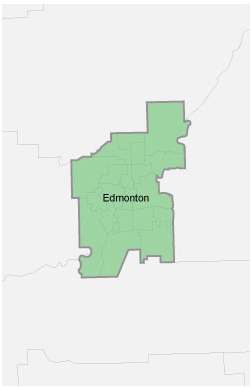
Edmonton
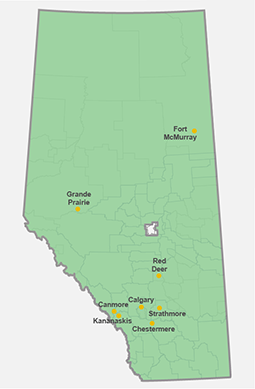
All Alberta locations except Edmonton
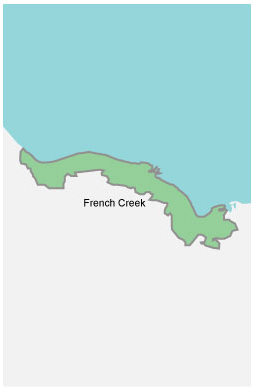
French Creek
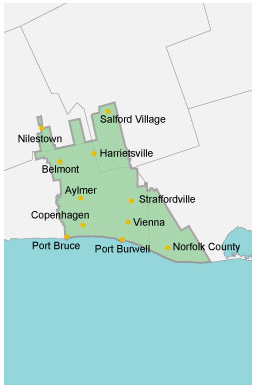
Aylmer and area
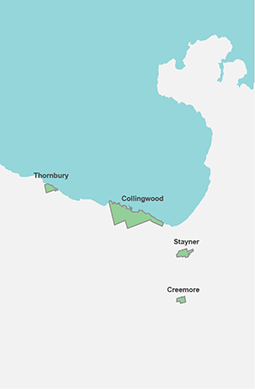
Collingwood and area
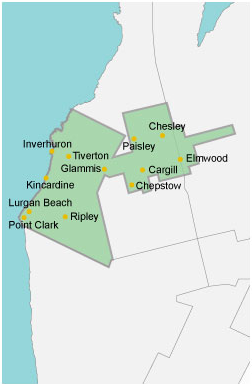
Kincardine and area
Select a state

Looks like you're in Canada

Looks like you're in the United States

Change country
Country Flag Canada
Country Flag United States

Select a region for customized content and rates

Mouse hover over any region to see the map here
Edmonton
All Alberta locations except Edmonton
French Creek
Aylmer and area
Collingwood and area
Kincardine and area

Select a region for customized content and rates

Select a region for customized content and rates

Choose your location
To view this page, set your location to:
Country Flag Country Flag
This page doesn’t match your location
To view this page, you must change your location to:
Country Flag Country Flag
Choose your location
To view this page, you must set your location to:
Country Flag Country Flag

Soakaway pits

Soakaway pits are underground chambers that allow stormwater to soak into the ground.
Rainwise logo
On this page

What is a soakaway pit?

Soakaway pits are holes typically filled with rocks or gravel that let water gradually seep into the ground. They may also be filled with modular chamber units (e.g. plastic crates). Soakaway pits can be covered by stones, gardens, regular sod, or even hard surfaces.

A soakaway pit is excavated and partially filled with gravel, with a compact track loader positioned nearby in a residential yard during landscaping or drainage work.

How they work

Stormwater enters soakaway pits through an inlet (e.g. downspout) and fills the empty spaces within the pit. Over time, the stormwater will soak into the surrounding soil. During heavy storms, soakaway pits can become full. When this happens, overflow pipes are used so it can drain out to a grassy area or drainage system.

Benefits

  • Ideal in locations where space is limited, as they can be constructed in various sizes and shapes. 
  • Low maintenance and cost-effective stormwater management systems.
  • Help prevent sewer backups and flooding during heavy rain by slowing down and reducing the amount of stormwater entering the drainage system.

Rebate eligibility and amount

Eligibility

  • Single-family residential
  • Multi-family residential
  • Industrial, commercial, and institutional

Amount

Note: The RainWise rebate program is not retroactive. Projects completed before the application is approved are not eligible for the rebates.

Requirements

To receive a rebate for a soakaway pit, the following requirements must be met:

  • Receive runoff from an impervious surface (e.g. roof, patio, or driveway).
  • Be filled with clean coarse fill material, such as clean, angular (crushed) gravel, or modular chamber units.
  • Include some form of pre-treatment to prevent sediment and/or leaves from entering and clogging the soakaway pit (e.g. downspout filter screens or a vegetated buffer).
  • Wrap all sides with filter fabric to prevent sediment from entering the pit. A non-woven filter fabric is recommended.
  • Be constructed a minimum of three (3) meters away from building foundations.
  • Overflow to a permeable area (e.g. lawn). 
  • Must be sized to manage at least 75% of the directly connected impervious area as calculated in the soakaway pit sizing tool.
  • Must not contradict the City of Edmonton Drainage Bylaw. Here is some relevant information from the bylaw related to the release of water:

    Roof and foundation drainage from a property is not permitted to be discharged:
    • onto a pervious ground surface within one (1) meter of the building;
    • within 150 mm of an adjacent lot;
    • within 150 mm of a City of Edmonton right-of-way (ROW);
    • to a location where the water has the potential to adversely impact slope stability, unstable ground, a ravine; or
    • to a location or in a manner that causes or could cause nuisance, hazard or damage.

Make sure that you have all of the necessary photos and documents so that we can efficiently process your application and claim.

View guidelines for filling out your application.

Application form requirements

  • Before photos
  • Design sketch
  • Directly connected impervious area (DCIA)
  • Soakaway pit sizing tool (one for each individual soakaway pit)

Multi-family, industrial, commercial and institutional customers if available, please include:

  • Storm servicing plans
  • Lot grading plans

Claim form requirements

Photos:

  • Completed work
  • After excavation
  • Before surface restoration. These photos must show installed underground components (e.g. soakaway pit rock fill) before they are covered with soil, plants, or other surface materials.

Keep all project related receipts. EPCOR reserves the right to request project-related receipts for all RainWise projects to verify project completion and ensure program compliance.

How to calculate the size of your soakaway pit

This site uses cookies to provide a better user experience and for advertising purposes. By using our website, you accept our use of cookies. Visit our Privacy Policy for more details.