Welcome to EPCOR Our site is customized by location. Please select the region of your service and we’ll remember your selection for next time.
Select location

Our site is customized by location. Please select the region of your service and we’ll remember your selection for next time.

Change a country
Country Flag Canada
Country Flag United States

Select a region for customized content and rates

Mouse hover over any region to see the map here
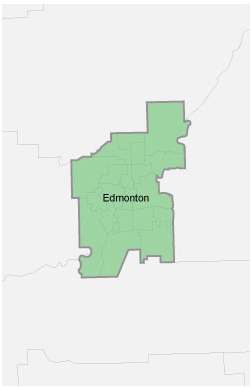
Edmonton
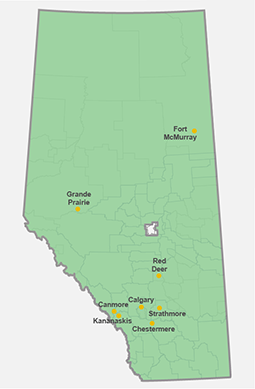
All Alberta locations except Edmonton
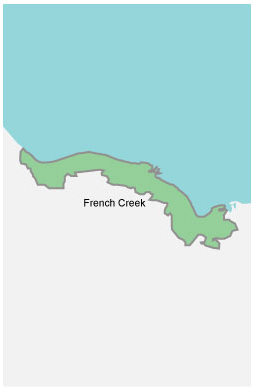
French Creek
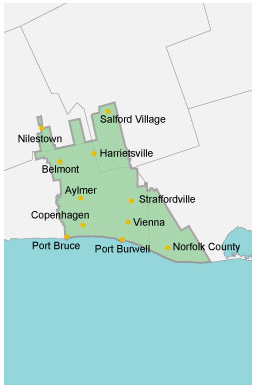
Aylmer and area
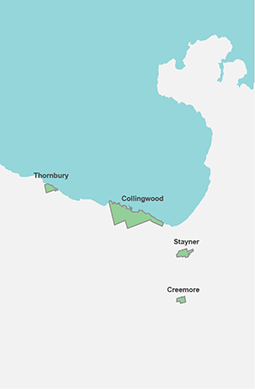
Collingwood and area
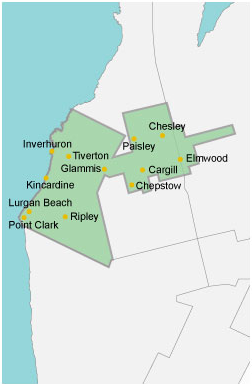
Kincardine and area
Select a state

Looks like you're in Canada

Looks like you're in the United States

Change country
Country Flag Canada
Country Flag United States

Select a region for customized content and rates

Mouse hover over any region to see the map here
Edmonton
All Alberta locations except Edmonton
French Creek
Aylmer and area
Collingwood and area
Kincardine and area

Select a region for customized content and rates

Select a region for customized content and rates

Choose your location
To view this page, set your location to:
Country Flag Country Flag
This page doesn’t match your location
To view this page, you must change your location to:
Country Flag Country Flag
Choose your location
To view this page, you must set your location to:
Country Flag Country Flag

Water restrictions in Edmonton

There are currently no water restrictions in Edmonton. Learn what water restrictions are, why they may be used, and what to expect if they are introduced.

on this page

What are water restrictions

Water restrictions are temporary limits on water use to protect water supply and ensure everyone continues to receive safe, reliable service. Edmonton has four stages of water restrictions, outlined below. 

Water restrictions may be announced when the amount of water we have might not be enough to meet demand in Edmonton. The causes and duration of water restrictions can vary.

If everyone takes steps to reduce their water use, together we can help ensure we have enough water for everyone.

Why water restrictions happen

There are various factors that can impact EPCOR's ability to treat, produce and deliver enough water to meet demand. Water restrictions can happen anytime, including during situations like:

  • Heat waves, leading to much higher outdoor water use across the city.
  • Planned inspections or emergency repairs, temporarily limiting how much water we can treat or deliver. 
  • Spring run-off or heavy rain, which can reduce river water quality, leading to longer treatment times.

Edmonton's current water restriction status

No water restrictions

There are currently no water restrictions in Edmonton.

If water restrictions are introduced, we'll update this page to show the current stage level, why restrictions are needed, and actions homes and businesses should take.

We’ll also share updates through EPCOR’s social media channels and other customer communications.

Water restriction stages

There are four stages of water restrictions, based on how much water our community needs to save. 

Each stage aims to reduce water use by a set amount, to ensure we can maintain water supply. Higher stages have stricter measures as greater reductions are required. 

Any water-saving actions you take during these stages helps prevent disruptions to water supply for homes and businesses in Edmonton. Even small changes to your daily routine can add up and make a big difference.

Stage 1 aims to reduce water usage by 5%. 

You may be asked to reduce your outdoor or indoor water use, depending on the time of year. 

Outdoor water restrictions may include:
  • adjusting outdoor watering schedules to later at night or early morning
  • watering for shorter periods of time
  • opting for hand watering* instead of using an open hose**.
  • only filling up your pool/hot tub for two hours in the evening
Indoor water restrictions may include: 
  • taking short showers
  • turning off the tap when brushing/shaving
  • doing less laundry
  • only doing dishes in the dishwasher
Businesses

Please see business water-use guidance (all stages) below and reduce where you can.

Stage 2 aims to reduce water usage by 10%. 

Restrictions during Stage 2 will become more specific, with tighter limits on outdoor watering and some activity-based restrictions (depending on time of year). 

Outdoor water restrictions may include:
  • limiting lawn and garden watering to one hour in the evening
  • opting for hand watering* instead of using an open hose**
  • not washing vehicles in the driveway
  • not washing outdoor surfaces (driveways, sidewalks, decks or patios)
  • only filling up your pool/hot tub for one hour in the evenings

Indoor water restrictions may include:

  • taking short showers
  • turning of the tap when brushing/shaving
  • doing fewer loads of laundry
  • running your dishwasher less often/only when it’s full

Businesses

Please see business water-use guidance (all stages) below and reduce where you can.

Stage 3 aims to reduce water usage by 15%. 

During this stage, we would implement restrictions to stop most, if not all, outdoor watering (depending on the time of year).

Outdoor water restrictions would include:
  • not watering lawns and plants (except for hand-watering* vegetable gardens and newly planted grass, sod, trees and shrubs)
  • not washing vehicles in the driveway
  • not washing outdoor surfaces (driveways, sidewalks, decks or patios)
  • not filling hot tubs/pools
Indoor water restrictions would include:
  • limiting showers to 5 minutes
  • turning off the tap when brushing/shaving
  • limiting laundry to one load per person/week
  • avoiding hand-washing dishes by opting to use the dishwasher, and only running the dishwasher when it's full.
Businesses

Please see business water-use guidance (all stages) below and reduce where you can.

Stage 4 aims to reduce water usage by 25%

During this stage, restrictions focus on saving as much water as possible to protect essential services and maintain water supply. We would implement restrictions to stop all outdoor water use (depending on the time of year).

Outdoor water restrictions would include:
  • no watering lawns and plants at any time (except for hand-watering* vegetable gardens)
  • not washing vehicles in the driveway
  • not washing outdoor surfaces (driveways, sidewalks, decks, patios)
  • not filling or topping up pools and hot tubs
Indoor water restrictions would include:
  • limiting showers to 3 minutes
  • turning off the tap when brushing/shaving
  • limiting laundry to one load per person/week
  • avoiding hand-washing dishes by opting to use the dishwasher, and only running the dishwasher when it's full.
  • reduce toilet flushing (only every other flush)
Businesses

Please see business water-use guidance (all stages) below and reduce where you can.

* Hand-watering is using a watering can or jug. 
** Open hose watering is a hose left running without a shutoff nozzle.

Business water-use guidance (applies in all stages)

Every business is different, and we recognize that water plays a critical role in many operations. Some actions businesses can take to meet reduction targets for each stage include:  

Communicating with staff and customers

  • Post signage informing customers that water restrictions are in place.
  • Notify employees about the restrictions and remind them of simple ways to reduce water use in their daily tasks.
  • Include water-saving reminders in customer-facing areas such as restrooms, dining spaces, gyms and guest rooms.

Adjust building systems

  • Check for leaks, drips or unnecessary continuous flow equipment and shut off or repair as soon as possible.
  • Ensure automated systems (e.g., irrigation, cooling towers, rinse cycles) are set to minimum required operation.

Optimize cleaning practices

  • Switch from wet cleaning to dry methods (such as sweeping instead of mopping) when safe and appropriate.
  • Reduce use of floor cleaning machines that rely heavily on water and use spot cleaning only where needed.
  • In food service environments, follow safe handling practices while avoiding water intensive processes such as thawing food under running water and instead thawing food in the fridge.

Operate more efficiently

  • Run full loads of dishwashers and laundry machines, using eco mode where allowed by health and safety regulations.
  • Provide towels, linens or other water intensive items only upon request in hotels, fitness facilities, spas or recreation centres.
  • Review and adjust processes that use continuous or automatic water flow, ensuring they operate only when necessary.

Plan for larger events or high-demand periods

  • Event organizers (for festivals, concerts, conferences or seasonal activities) should prepare water-use contingency plans, including adjustments for food vendors, sanitation, cooling and equipment cleaning.
  • Reduce or postpone nonessential water-dependent activities wherever possible.

How to prepare before water restrictions are announced

Water restrictions can affect daily routines and business operations. Preparing ahead makes it easier to adapt when restrictions are announced. 

Start daily water-saving habits (apply in all stages)

Did you know the average Edmontonian uses 160 litres of water each day? That’s the equivalent of nine large water cooler jugs. These small changes to your daily water usage help make a big difference, especially when we work together to reduce our water use. 

  • Turn off the tap when brushing/shaving.
  • Don't run water continuously when washing food or doing dishes.
  • Only wash your vehicle at commercial car washes (they recycle water).

Prepare your routine

  • Practice shorter showers.
  • Run full laundry/dishwasher loads.
  • Try a “low water day” to understand where you can reduce consumption.
  • Review irrigation settings before summer.

Prepare your household

Visit our Conservation section to learn more ways you can reduce water use inside and outside your home.

How EPCOR manages Edmonton’s water supply

Our water treatment plants and systems are built to handle ups and downs in the amount of water customers use and changes in river conditions. We also forecast water needs days in advance to make sure we have enough water for all customers. However, situations may still arise when we all need to reduce our water use.

How EPCOR reduces its water use during restrictions

When water restrictions are in place, EPCOR will also reduce the quantity of water used across our operations.

  • We’ll stop washing our fleet vehicles
  • We’ll pause routine water and sewer main flushing
  • We'll pause routine inspections that require large amounts of water usage

This site uses cookies to provide a better user experience and for advertising purposes. By using our website, you accept our use of cookies. Visit our Privacy Policy for more details.