Welcome to EPCOR Our site is customized by location. Please select the region of your service and we’ll remember your selection for next time.
Select location

Our site is customized by location. Please select the region of your service and we’ll remember your selection for next time.

Change a country
Country Flag Canada
Country Flag United States

Select a region for customized content and rates

Mouse hover over any region to see the map here
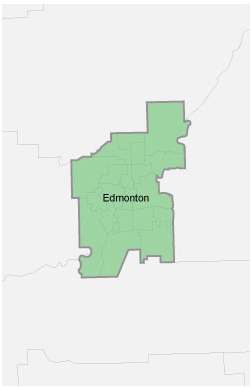
Edmonton
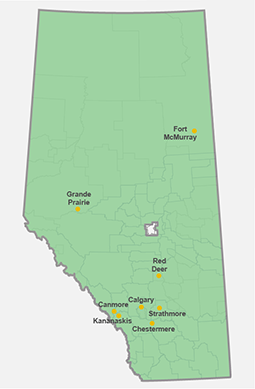
All Alberta locations except Edmonton
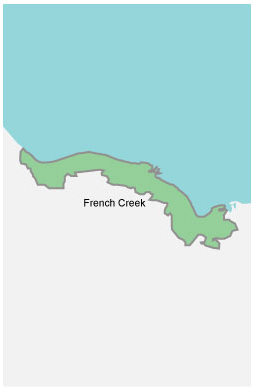
French Creek
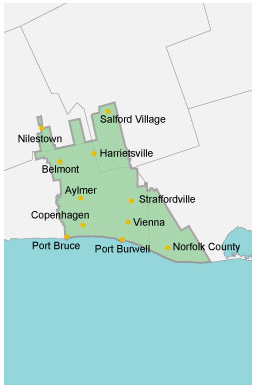
Aylmer and area
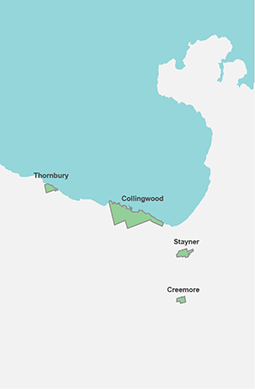
Collingwood and area
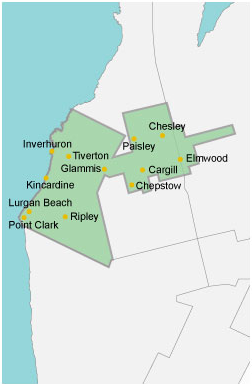
Kincardine and area
Select a state

Looks like you're in Canada

Looks like you're in the United States

Change country
Country Flag Canada
Country Flag United States

Select a region for customized content and rates

Mouse hover over any region to see the map here
Edmonton
All Alberta locations except Edmonton
French Creek
Aylmer and area
Collingwood and area
Kincardine and area

Select a region for customized content and rates

Select a region for customized content and rates

Choose your location
To view this page, set your location to:
Country Flag Country Flag
This page doesn’t match your location
To view this page, you must change your location to:
Country Flag Country Flag
Choose your location
To view this page, you must set your location to:
Country Flag Country Flag

Common causes of sewer backups

Learn the most common causes of sewer backups in Edmonton homes, how you can help prevent sewer backups, and what to do in an emergency.

What to do if you have a sewer backup

If you are experiencing a sewer backup in Edmonton, call our 24/7 emergency line at 780-412-4500.

We provide a basic service, for a fee, to help diagnose drainage problems with your main sewer service line. Learn about property owner responsibilities for the portion of the sewer line on your property.

  • A fee will be charged if the blockage is caused by prohibited waste items, regardless of where in the service line the blockage is located.

  • This same service is also offered by private plumbers, but please note that EPCOR will not reimburse plumber’s fees regardless of where the blockage is located.

Why sewer backups happen

Your sewer service pipe carries wastewater from your home to the city’s main sewer line under the street or back lane. If your plumbing or the service pipe is clogged, blocked or damaged, wastewater can back up into your basement.

Common sewer backup causes

Sewer backups are caused when your sewer service line is plugged or partially clogged, blocked or damaged. The most common causes are:

  • Fats, oils and grease harden inside pipes and can cause clogs in your plumbing or the main sewer line. 

  • Non-flushable items like wipes, paper towels, and other household items don’t break down like toilet paper and can cause blockages.

  • Tree roots can grow into sewer pipes, blocking wastewater and even damaging the line.

  • Sagging sewer lines due to age. Older sections may sag, trapping water and solids.

  • Collapsed or broken pipes can let soil enter, eventually blocking the line.

Protect your home from sewer backups

Learn how you can help prevent sewer backups in your basement, and protect your home and neighbourhood. 

Prevent a build-up of fats, oils and grease (FOGs)

  • Scrape food from dishes into your organics bin.
  • Wipe off grease with a paper towel.
  • Pour cooled grease into a container to dispose of.

Get more tips on how to dispose of fats, oil and grease safely to prevent sewer backups.

Don't flush non-flushable items

  • Only flush toilet paper.
  • Throw wipes, paper towels, and other household items in the trash.

Prevent a sewer backup due to non-flushable items, and learn what can't go down the toilet.

Watch for tree root problems

  • Plant trees away from sewer lines
  • Have a plumber inspect if you suspect root intrusion.
  • Consider root-resistant pipe materials if replacing lines.

Find out how roots can cause problems and what you can do to help prevent sewer backups from tree roots. 

Warning signs of sewer service line backups

Plugged internal plumbing

Drainage problems such as clogged sinks, bathtubs, floor drains, and toilets that flush poorly are considered internal problems. These are often the result of drain clogs close to the source.

Plugged or partially clogged sinks are typically caused by blockages in the drain pipe, often in the P‑trap (the u‑shaped section of the drain pipe). Most of these cases can even be diagnosed over the telephone.

What to do: For these types of internal issues, we recommend calling a qualified plumber.

Plugged plumbing can be a symptom or warning sign of a bigger issue, like grease, wipes, or tree roots building up deeper in your sewer line.


Sagging sewer lines

As sewer lines age, their structure may become compromised, eventually causing sewer backups.

Sags are caused by eroded bedding in the bottom of the trench in which your sewer pipe was placed. This type of failure causes a section of the pipe to drop below the proper grade. When this happens, water remains trapped in the sag, and solids in the water settle in the sag. Eventually, the debris in the sag will cause a restriction in the sewer flow, and a blockage may happen.

Sagging sewer lines can only be fixed by removing the affected area of pipe and regrading the trench bottom.

Collapsed or broken pipe

Cracked pipes may function for several years before corrective measures are necessary. However, a collapsed or broken section of pipe will allow backfill material to enter, eventually plugging the service line and causing a sewer backup.

Replacing the collapsed portion of the pipe is the only viable option in this situation. When you are replacing a pipe, it is important to consider the material. PVC pipe is more resistant to root intrusion than other types, such as clay tile or concrete pipe. 

This site uses cookies to provide a better user experience and for advertising purposes. By using our website, you accept our use of cookies. Visit our Privacy Policy for more details.