Welcome to EPCOR Our site is customized by location. Please select the region of your service and we’ll remember your selection for next time.
Select location

Our site is customized by location. Please select the region of your service and we’ll remember your selection for next time.

Change a country
Country Flag Canada
Country Flag United States

Select a region for customized content and rates

Mouse hover over any region to see the map here
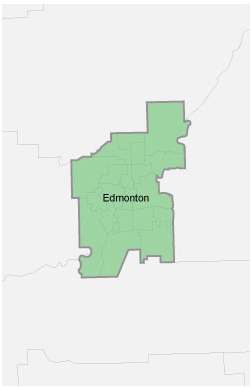
Edmonton
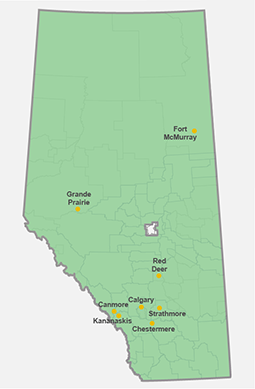
All Alberta locations except Edmonton
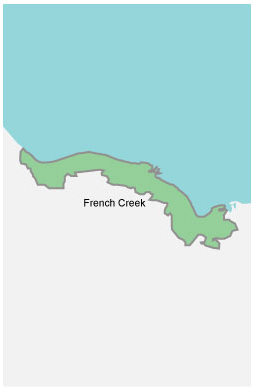
French Creek
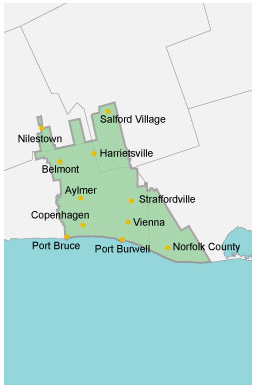
Aylmer and area
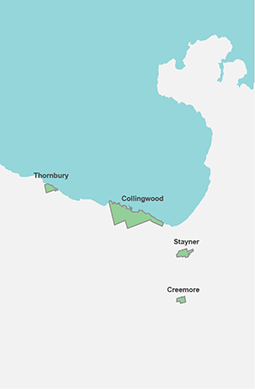
Collingwood and area
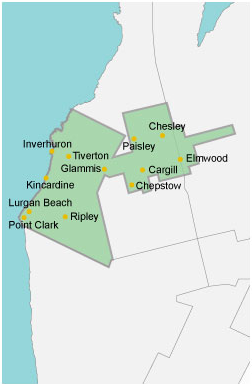
Kincardine and area
Select a state

Looks like you're in Canada

Looks like you're in the United States

Change country
Country Flag Canada
Country Flag United States

Select a region for customized content and rates

Mouse hover over any region to see the map here
Edmonton
All Alberta locations except Edmonton
French Creek
Aylmer and area
Collingwood and area
Kincardine and area

Select a region for customized content and rates

Select a region for customized content and rates

Choose your location
To view this page, set your location to:
Country Flag Country Flag
This page doesn’t match your location
To view this page, you must change your location to:
Country Flag Country Flag
Choose your location
To view this page, you must set your location to:
Country Flag Country Flag

Flood mitigation

Learn about flood risks in Edmonton, flood mitigation efforts, prevention programs, rebates and practical steps to help protect your home, business and neighbourhood from flooding.
ON THIS PAGE

Working together for a flood-resilient future

Edmonton has experienced flooding caused by intense rainfall events. The impacts of flooding can affect homes, businesses, infrastructure and public spaces throughout the city.

Everyone has a role to play in reducing flood risk. Our plan envisions all stakeholders—residents, businesses, industry, the City of Edmonton and EPCOR—working together to:

  • Continue to assess and understand flood risk across Edmonton
  • Invest in infrastructure and programs that help slow, move, secure, predict and respond to floodwaters
  • Support property owners in taking steps to reduce flood risk on their private property

Clean​50 Award

EPCOR's flood mitigation efforts have been nationally recognized with a Canada's Clean50 Top Project Award, and a second for Individual Honouree. These awards highlight EPCOR's innovation and dedication to protecting customers and the communities they live in.

Types of flooding in Edmonton

There are four types of flooding that may occur in Edmonton:  

  • Overland flooding: Overland flooding occurs when rain falls faster than the ground or sewer system can absorb it. Water can collect on streets, sidewalks, parking lots and low-lying areas, potentially causing damage to homes, businesses and infrastructure.
  • Sewer surcharging: Sewer surcharging occurs when the stormwater system reaches capacity during heavy rainfall. When this happens, water levels in the sewer network can rise and increase the risk of basement flooding or sewer backups.
  • River flooding: River flooding can occur when significant rainfall and runoff throughout the North Saskatchewan River watershed increase river flows and water levels. If river levels rise high enough, water may move beyond the riverbanks and affect nearby properties, infrastructure and areas within the river valley.
  • Groundwater flooding: In times of heavy rainfall, the groundwater table can rise and potentially increase the risk of basement flooding. Groundwater flooding is caused by water travelling through the ground, not over the land. Efforts are underway to better understand groundwater in Alberta.

Edmonton's stormwater system is designed to manage typical rainfall events and help reduce the impacts of larger storms. During unusually intense or prolonged rainfall, however, the amount of water entering the system may temporarily exceed its capacity, resulting in localized flooding or delays as water moves through the drainage network.

Learn more about Edmonton’s drainage system design standards.

What EPCOR is doing to reduce flood risk

We've been actively addressing stormwater flooding through EPCOR projects in higher-risk areas across Edmonton while also supporting residents and customers in private property mitigation. 

Capital flood mitigation improvements have been completed in several Edmonton neighbourhoods, with additional projects currently underway across the city. For a list of current projects, visit Edmonton Construction Projects.  

Low Impact Development (LID) or green infrastructure, is an approach that helps manage rainwater where it falls through features such as rain gardens, bioretention areas and other green infrastructure. Programs like the RainWise Rebate Program help residents take part in these solutions on their own properties.

EPCOR also offers programs and services that help residential, multi-residential, commercial and institutional property owners better understand and reduce their flood risk. These programs include the free Flood Prevention Program and the Backwater Valve Subsidy Program.

We're also creating a smarter stormwater network that will allow us to anticipate and react to storms in real time using monitoring and control technology, and will optimize existing stormwater management infrastructure.  

Stormwater Integrated Resource Plan (SIRP)

Our Stormwater Integrated Resource Plan (SIRP) guides our flood mitigation work across Edmonton. The plan focuses on five interconnected approaches to reduce flood risk: SLOW, MOVE, SECURE, PREDICT, and RESPOND.

The plan was originally presented in 2018 as a framework of a 20-year, $1.6-billion plan that addressed flooding risks from health and safety, environmental, social and financial perspectives. The original plan is detailed in the May 2019 Utility Committee report.

We slow the entry of stormwater into the drainage network by absorbing it in green infrastructure and holding it in ponds, creating space in the collection system during storm events.

  • Dry ponds — green spaces that act as catch basins for excess stormwater during heavy rainfalls (#1 on the below image)
  • Low impact development — rain gardens, bioretention basins, box planters and tree soil cells that have both flood mitigation and climate change mitigation benefits to reduce impacts of drought and heat waves (#2 on the below image)
  • Stormwater ponds – wet ponds designed to hold excess stormwater 

We move excess water safely away from areas at risk, quickly and efficiently, by increasing capacity in the drainage system to handle peak stormwater flows.

  • Tunnels and trunks (#3 on the below image)
  • Separation of storm and sanitary sewers — where there are combined storm and sanitary systems in high-risk areas, we'll review separating them. Separation helps to increase the amount of stormwater conveyed in extreme weather and reduces the risk of backups to nearby properties (#3 on the below image)

We help secure individual properties in higher risk areas against sewer backups, overland flooding, and river flooding.

  • Enhanced building flood-proofing for residential, multifamily and commercial properties coordinating their flood-proofing with EPCOR investments on adjacent public lands (#4 on the below image)
  • Educate owners to identify and implement flood-proofing measures on their properties, including backwater valve installation (#4 on the below image)
  • Additional control gates at outfalls (#5 on the below image)
  • Increased maintenance and repair priorities on higher risk assets to reduce inflow/infiltration and minimize risk of critical infrastructure failures (#6 on the below image)
  • Protecting the E.L. Smith and Rossdale water treatment plants from potential river flooding by installing permanent flood protection barriers

We predict and manage the movement of stormwater through smart sensors and technologies that integrate into the collection system.

  • Radar, advanced rainfall prediction technology along with sensors and automatic controls at ponds, underground storage pipes and underpasses (#7 on the below image)
  • Developing an Integrated Operations Centre, including real-time dashboard map incorporating data from sensors, controls and weather radar stations, and connections to partners such as the City of Edmonton and Alberta Environment and Parks (#8 on the below image)

We respond through the fast rollout of flood barriers, traffic diversions and public communications to protect life, safety and property.

  • Installing underpass warning systems at key locations to warn drivers of flooding conditions
  • Emergency response in coordination with the City of Edmonton Office of Emergency Management (#8 on the below image)
Did you know

In the event of a severe flood from the river overtopping its banks, the City of Edmonton and Alberta Environment and Protected Areas would activate their Emergency Operations Centre (EOC). EPCOR water and power utilities are part of this EOC and work together to take action to protect citizens and critical infrastructure in Edmonton.


What you can do to protect your home, business or neighbourhood

Every Edmontonian can help our city reduce its flood risk. Whether you own a home, operate a business or simply want to help your neighbourhood recover after severe weather, small actions can make a difference.

Here are some steps you can take to help protect your property and community.

Help protect your property

Help protect your property through regular maintenance

Regular property maintenance can help reduce the risk of flooding and water damage. 

  • Clean and repair your eavestroughs and downspouts
  • Maintain your window wells and check if they’ve been properly installed
  • Clean and check sump pumps and weeping tiles annually 
  • Use rain barrels to reduce the amount of water flowing on your property
  • Clean debris from backwater valves to prevent sewage from flowing back into your basement.
  • Install a backwater valve to prevent sanitary sewer backups
  • Seal foundation cracks to prevent groundwater infiltration
  • Prevent water from pooling by ensuring your property slopes correctly away from your home

For more information, visit Flood Prevention at Home or read The Homeowner’s Guide to Lot Grading and Drainage.

Free Flood Prevention Program

Our Flood Prevention Program provides eligible Edmonton residents with a free property assessment conducted by trained flood prevention advisors.

During the assessment, we'll help you:

  • Identify flood risks specific to your property
  • Understand ways to help reduce those risks
  •  Learn about available EPCOR programs and supports
  • Determine whether you may be eligible for additional flood prevention measures
Schedule a free flood prevention inspection

Book an appointment using our online booking system or learn more about the program.

Backwater Valve Subsidy Program

Help to protect your home from a sanitary sewer line back-up by installing a backwater valve. Our Backwater Valve Subsidy offers financial assistance by providing up to $800 for the installation of an interior or exterior backwater valve.

Note: homes built after 1989 are required to have a backwater valve; anything prior to that year may not have one.

RainWise Rebate Program

The RainWise Rebate Program makes it easier and more affordable for Edmonton residents to protect their properties from flooding and reduce flood risk in the community through effective stormwater management.

If you are a property owner or renter in Edmonton, you may be eligible for rebates from EPCOR on projects that help manage stormwater on your property.

Help protect your neighbourhood

Help your neighbourhood during heavy rainfall

Small actions can make a big difference during heavy rainfall. By helping water move where it's supposed to go, residents can help reduce localized flooding and protect their neighbourhood.

  • Help keep catch basins clear. If it's safe to do so, remove leaves, debris or other materials that may be blocking nearby catch basins and preventing water from draining properly.
  • Keep swales on your property clear. Swales help direct stormwater away from homes and into the drainage system. Avoid filling them in, blocking them or allowing debris to accumulate.
  • Report drainage concerns. If you notice a blocked or frozen catch basin, drainage issue or localized flooding concern, contact EPCOR or call 311 so it can be investigated.
  • Stay back from stormwater ponds. Stormwater ponds and dry ponds fill up during a heavy rain to protect your neighbourhood from flooding. Water levels can change fast and the edges aren't as stable as you think. They are not safe for recreation. 
How clear catch basins help reduce flooding

Catch basins are designed to move rainwater from roads and streets into Edmonton's drainage system. Helping keep them clear is one simple way residents can help reduce localized flooding in their neighbourhood.

Questions?

If you have questions about flood mitigation projects or flood prevention programs, we're here to help.

Contact EPCOR

Phone: 780-412-4200
Email: floodmitigation@epcor.com

This site uses cookies to provide a better user experience and for advertising purposes. By using our website, you accept our use of cookies. Visit our Privacy Policy for more details.