Welcome to EPCOR Our site is customized by location. Please select the region of your service and we’ll remember your selection for next time.
Select location

Our site is customized by location. Please select the region of your service and we’ll remember your selection for next time.

Change a country
Country Flag Canada
Country Flag United States

Select a region for customized content and rates

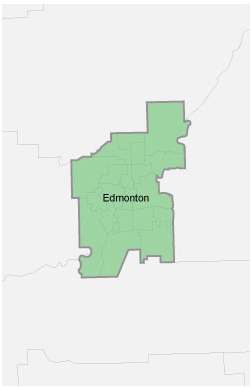
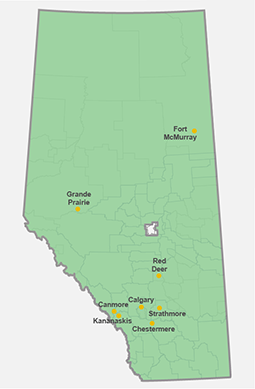
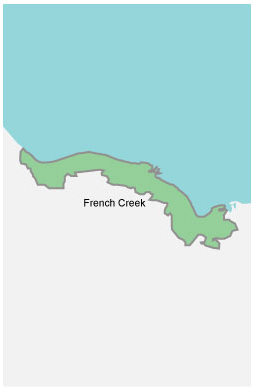
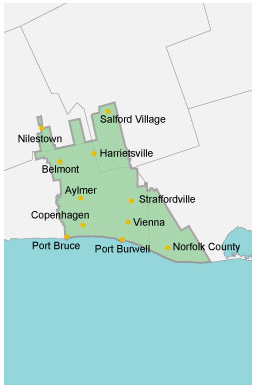
Mouse hover over any region to see the map here
Edmonton
All Alberta locations except Edmonton
French Creek
Aylmer and area
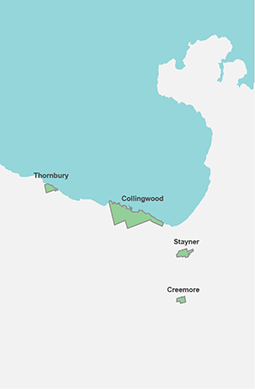
Collingwood and area
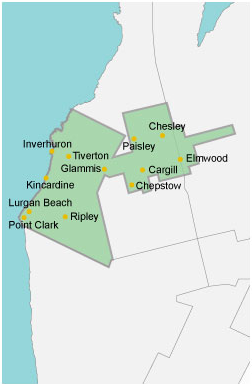
Kincardine and area
Select a state

Looks like you're in Canada

Looks like you're in the United States

Change country
Country Flag Canada
Country Flag United States

Select a region for customized content and rates

Mouse hover over any region to see the map here
Edmonton
All Alberta locations except Edmonton
French Creek
Aylmer and area
Collingwood and area
Kincardine and area

Select a region for customized content and rates

Select a region for customized content and rates

Choose your location
To view this page, set your location to:
Country Flag Country Flag
This page doesn’t match your location
To view this page, you must change your location to:
Country Flag Country Flag
Choose your location
To view this page, you must set your location to:
Country Flag Country Flag

High water usage

Sometimes water use rises because of changes in your household. Other times, silent leaks, especially in toilets, can increase your bill without leaving any water on the floor.

A man getting a tool out of his toolkit to fix leaky toilet.

on this page

Sudden increase in water use

If you’ve noticed a sudden jump in your water bill or received a high water use notification, this page can help you understand what might be happening. Learn what could have increased your water use, how to check your toilet for a leak, and how to fix common toilet leaks.

High water usage notifications

Homes in Edmonton have an advanced water meter that sends us near real‑time information about how much water you use. If we see higher‑than‑normal usage or water running nonstop, we may contact you because it could mean there’s a leak.

If you received a high‑usage notification, this page will help you understand what to do next.

Why your water use may have increased

The average home in Edmonton uses 14.1 m³ of water each month (based on an average of household water usage in Edmonton from 2022-2024). Your water usage may be higher or lower depending on:

  • Household size
  • Fixture efficiency
  • Outdoor watering
  • Hidden leaks

Understanding what “normal” use looks like is a good starting point when trying to figure out why your bill has changed. Leaks are not always the reason for an increase in water use.

Common everyday reasons your use may be higher:

  • Seasonal water use. Water usage is higher during the summer because of watering lawns and gardens, pools, and kids being home for school holidays. 
  • Working from home. Being at home during the day can increase water usage due to an increase in bathroom use, cooking and household activities.
  • Houseguests, new roommates, or a new baby. Extra people, including babies, in your home can increase your water bill due to more bathroom use, dishwashing, laundry and other household activities.
  • Water leaks. Leaks not only waste water but left unfixed can add to your water bill and may cause damage. Toilets are often the cause of hidden leaks.
  • New or changed appliances. Appliances and equipment can use more water than expected. Water softeners and reverse osmosis systems can use up to 10 times more water, humidifiers and air conditioners can use more water at certain times of the year. Choosing high-efficiency appliances can help reduce water use. Learn ways to conserve water inside and outside your home.

Leaks that increase your water use

Some water leaks are obvious. Others are silent and can waste a surprising amount of water. 

Warning signs of hidden leaks

  • Higher water bills
  • Toilet running or refilling when not in use
  • Damp spots or stains indoors
  • Pooling water outside
  • Meter shows flow when nothing is running

Hidden toilet leaks

Toilets can leak inside the tank where you can't see the water escaping. These leaks can waste hundreds or even thousands of litres per day.

These are some signs that your toilet may be leaking:

  • You hear running water when it’s not being used
  • A faint trickling sound
  • The tank refills on its own
  • Higher water bills with no clear reason
  • Toilet fails the food colouring test (below)

Food colouring test

Use a simple food colouring test to check for a silent leak.

  1. Carefully remove the lid from the toilet tank
  2. Add several drops of food colouring into the tank
  3. Wait 10–15 minutes
  4. Check the toilet bowl for colour. If coloured water is in the bowl, you have a leak.

If the test shows a leak, check the water level and the flapper inside the tank.
You can also try adjusting the float or replacing the flapper.

If you’re unsure of the cause, or uncomfortable fixing the float or flapper yourself, contact a licensed plumber.

These basic steps can help you fix the most common toilet leaks. If you are uncomfortable doing these steps, contact a licensed plumber. 

Most leaks are caused by the float or the flapper. 

Step 1: Check and adjust the float

If the float is set too high, water will run into the overflow tube and into the toilet bowl.

  • Find the float inside the tank
  • Gently adjust it downward so the water sits below the overflow tube
  • Flush once and let it refill
  • Check if running water stops
Step 2: Check the flapper and chain

The flapper should sit flat and seal tightly against the pipe fitting at the bottom of the tank. If it isn't, check the chain to ensure there is enough slack. 

Step 3: Replace the flapper

If the flapper is worn or cracked, or there is colour coming off the flapper valve, it should be replaced.

  • Turn off the water supply to the toilet
  • Flush to empty the tank
  • Remove the old flapper
  • Install a new flapper according to the package directions
  • Turn water back on
  • Do the food colouring test again to confirm it’s fixed

If your toilet is still leaking, contact a plumber.

Compared to other fixtures and appliances in the home, toilets consume the most water each day. A leaky toilet can waste tens of thousands of litres of water a month.

  Volume of wasted water* ​Increased cost on monthly bill**
​Small leak
e.g., chain caught under flapper
​100 L/day or 3 m3/month $15.24
​Medium leak
e.g., improper floater position
​12,000 L/day or 360 m3/month ​$2,146.93
Large leak***
e.g., water level in tank too high
33,600 L/day or 1,008 m3/month $6,011.40

* Volume can vary based on type of toilet and leak.
** Estimate based on applicable 2024 residential water, wastewater treatment and sanitary consumption rates for Edmonton.
*** This is an actual example of a toilet running fully open for one month at a residential site in Edmonton. 

How to use your water meter to check for hidden leaks

Your water meter can help you confirm if water is flowing when nothing is being used. Your water meter will be indoors, usually in your basement or crawl space near your main water shut off valve.

  1. Turn off all taps and appliances
  2. Look at the flow indicator on your meter (illustrations below)
  3. If it moves, water is being used somewhere in your home. If you've already checked toilets, discover  more ways to find water leaks on your property.  
Digital water meter reading
Dial water meter reading

Ways to save water

Here are a few ways that you can save water in your home:

  • Turn off the faucet when you are brushing your teeth, shaving and washing your hands
  • Take shorter showers and change your showerhead to a low-flow fixture
  • Use your dishwasher when it’s full
  • Find and fix leaks regularly
  • Know that your water softener or reverse osmosis system can use up to 10 times more water

It can be helpful to track your water usage patterns so you can adjust activities that use water (the number of loads per week, how often you run the dishwasher, shower frequency, etc.)

Household task Target number
Running the washing machine Three times per week
Dishwasher Once per day
​Taking a shower Once per day
Watering your garden or plants Once per week

Discover more ways to reduce your water use.

This site uses cookies to provide a better user experience and for advertising purposes. By using our website, you accept our use of cookies. Visit our Privacy Policy for more details.