Welcome to EPCOR Our site is customized by location. Please select the region of your service and we’ll remember your selection for next time.
Select location

Our site is customized by location. Please select the region of your service and we’ll remember your selection for next time.

Change a country
Country Flag Canada
Country Flag United States

Select a region for customized content and rates

Mouse hover over any region to see the map here
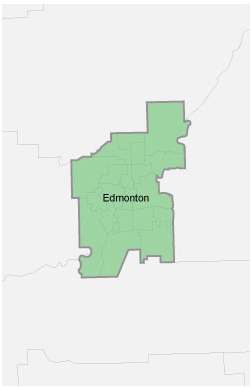
Edmonton
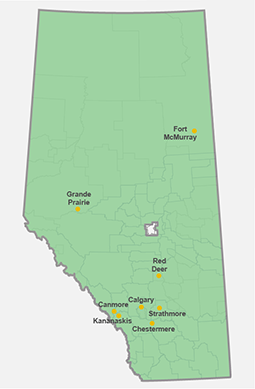
All Alberta locations except Edmonton
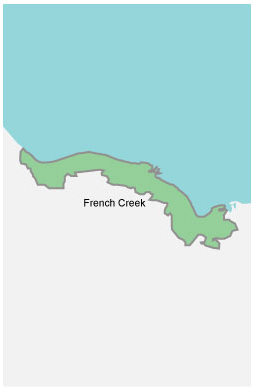
French Creek
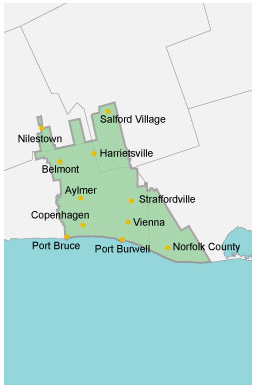
Aylmer and area
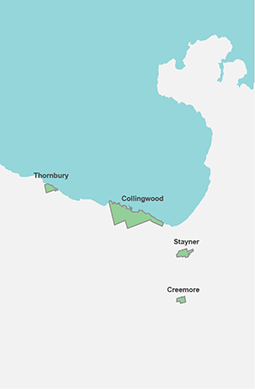
Collingwood and area
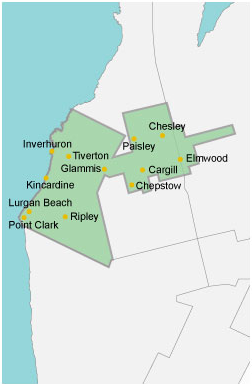
Kincardine and area
Select a state

Looks like you're in Canada

Looks like you're in the United States

Change country
Country Flag Canada
Country Flag United States

Select a region for customized content and rates

Mouse hover over any region to see the map here
Edmonton
All Alberta locations except Edmonton
French Creek
Aylmer and area
Collingwood and area
Kincardine and area

Select a region for customized content and rates

Select a region for customized content and rates

Choose your location
To view this page, set your location to:
Country Flag Country Flag
This page doesn’t match your location
To view this page, you must change your location to:
Country Flag Country Flag
Choose your location
To view this page, you must set your location to:
Country Flag Country Flag

Seasonal energy saving tips for your home

Stay comfortable and save energy all year

A comfortable home doesn't have to use more energy.

Whether you're staying cool during a summer heat wave or keeping warm on a cold winter day, small changes can help reduce energy use, lower costs and keep your home comfortable year-round.

Try these practical tips to make the most of your energy use in every season.

Start with simple habits

Small actions can add up to meaningful savings throughout the year.

  • Turn off lights and electronics when you're not using them.
  • Use space heaters and air conditioners only when needed.
  • Run dishwashers, washing machines and dryers with full loads whenever possible.
  • Wash clothes in cold water.
  • Use a microwave, toaster oven or slow cooker for smaller meals.
  • Turn off kitchen and bathroom exhaust fans when they're no longer needed.
  • Install motion-sensor lights in garages, storage areas and outdoor spaces.

Keep your home cool in the summer and warm in the winter

Keep the heat in

Heating your home is often one of the largest energy costs during winter. These tips can help you stay warm while using energy wisely:

Make the most of your heating system

  • Lower the temperature in spaces you don't use often, such as garages, crawlspaces and attics.
  • Close doors to unused rooms to keep heat where you need it most.
  • Move furniture and curtains at least 30 cm away from heating vents so warm air can flow freely.
  • Clean space heaters regularly and follow the manufacturer's safety instructions.

Someone adjusting the temperature on a thermostat.

Stop drafts before they start

  • Check windows, doors and electrical outlets for drafts.
  • Seal air leaks with caulking or weatherstripping.
  • Add door draft stoppers to help keep warm air inside.
  • Consider improving window insulation to reduce heat loss.

Let the sun help

  • Open curtains and blinds on sunny days to bring in natural warmth.
  • Close them at night to help keep heat inside.
  • Adjust lighting timers as daylight hours change throughout the season.

Stay warm without turning up the thermostat

Before increasing the temperature, try adding a sweater, warm socks, slippers or an extra blanket.

Keep your cool

Air conditioning can be one of the biggest energy users in summer. These tips can help you stay comfortable while managing costs:

Use cooling equipment wisely

  • Make sure your window air conditioner is the right size for the room.
  • Use portable fans to circulate air and reduce the need for air conditioning.
  • Raise your thermostat a few degrees when you're away from home.
  • Keep windows and doors closed when air conditioning is running.

Block out the heat

  • Close blinds and curtains during the hottest part of the day.
  • Consider awnings, shutters or other shading options for south-facing windows.
  • Keep attic vents clear so hot air can escape.
  • Take advantage of cooler temperatures.
  • Open windows during cooler evening and overnight hours.
  • Create cross-ventilation by opening windows on opposite sides of your home when conditions allow.

Planning exterior upgrades?

When replacing roofing or siding, consider lighter-coloured materials that reflect more heat and help keep your home cooler.

Heading away on vacation?

A few simple steps before you leave can help reduce energy use and protect your home.

  • Lower your hot water heater setting, but keep it at 60°C or higher to help prevent bacterial growth.
  • Unplug electronics to reduce energy use and help protect against power surges.
  • Close blinds and curtains to help manage indoor temperatures.
  • Set your thermostat for the season before you leave.

Small changes can make a big difference

Improving insulation, sealing drafts and using appliances efficiently can reduce energy use over time.

A few simple adjustments throughout the year can help lower costs, improve comfort and make your home more energy efficient in every season.

This site uses cookies to provide a better user experience and for advertising purposes. By using our website, you accept our use of cookies. Visit our Privacy Policy for more details.